Biosecurity Best Practices to Protect Your Flock During HPAI Season
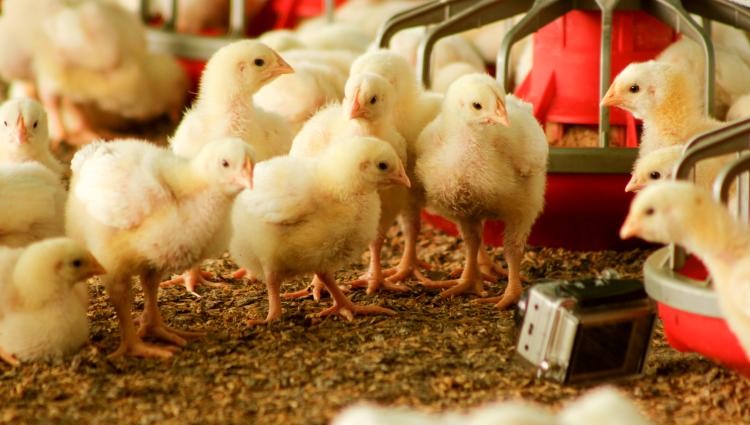
Highly Pathogenic Avian Influenza (HPAI) continues to pose a significant threat to poultry operations across the country each winter. With Pennsylvania, Maryland, Delaware, Virginia, and West Virginia home to a high concentration of commercial and backyard poultry farms, maintaining strong biosecurity practices remains essential to protecting flocks and reducing disease spread.
Whether you manage a commercial poultry operation or maintain a backyard flock, implementing strong biosecurity measures is your best defense against HPAI this season.
Why HPAI Is a Serious Risk for Poultry Farms
The H5N1 strain of HPAI is widespread in wild bird populations, and the stakes are especially high for poultry producers.
- Farm poultry are highly susceptible to HPAI, with mortality rates approaching 100%.
- Layer operations can experience catastrophic production losses, with sudden drops in egg production often serving as the first visible sign.
- Broiler operations can lose entire houses within 48 to 72 hours of virus introduction.
- The virus spreads rapidly in high-density operations, making early detection critical.
- Winter months are peak transmission periods as migrating wild waterfowl increase virus circulation.
Common Signs of HPAI in Poultry
Farmers should watch for these common signs of avian influenza in chickens and other poultry:
- Sudden death without prior symptoms
- Lack of energy and appetite
- Sharp drops in egg production
- Soft-shelled or misshapen eggs
- Swelling of the eyelids, comb, wattles, and shanks
- Purple discoloration of combs and wattles
- Gasping for air or difficulty breathing
- Nasal discharge, coughing, or sneezing
- Twisting of the head and neck
- Greenish diarrhea
How to Prevent HPAI With Strong Biosecurity Practices
The following biosecurity practices form your frontline defense against HPAI. Each layer of protection reduces the likelihood of virus introduction to your flock.
1. Control Access and Movement
The most critical step is limiting who and what enters your chicken houses.
For Commercial Operations
- Establish a single controlled entry point for each chicken house complex.
- Require all personnel to shower in and shower out if your operation has those facilities.
- Provide company-supplied coveralls, boots, and hairnets that never leave the premises.
- Consider designated footwear for each house to prevent cross-house contamination.
- Prohibit employees from keeping backyard chickens at home, or establish strict protocols if unavoidable.
- Ban all non-essential visitors, including feed company representatives, from entering houses.
- Implement a 24-hour downtime between farm visits for service technicians and veterinarians.
- Park delivery trucks outside the perimeter and transfer materials at a designated clean zone.
2. Prevent Wild Bird Contact
Wild waterfowl are natural reservoirs for avian influenza and pose one of the greatest external threats to your chickens.
Critical Actions
- Keep chickens confined during HPAI season in alignment with your integrator’s requirements.
- Eliminate puddles or standing water around chicken houses that may attract wild ducks and geese.
- Secure feed bins with tight-fitting lids and repair any holes where sparrows and starlings can access feed.
- Remove spilled feed daily from around outdoor silos and feed delivery areas.
- Install bird spikes or netting on roof peaks and beams where wild birds roost.
- Fill in low-lying areas near chicken houses that collect water after rain.
- If you have decorative ponds nearby, drain them or install netting during migration season.
- Screen all ventilation openings with 1-inch or smaller mesh while maintaining adequate airflow.
- Position automatic waterers inside houses rather than outside where wild birds can access them.
For Layer Operations
- Collect eggs frequently to avoid attracting crows and other scavengers to outdoor nests.
- Secure composting areas where wild birds might forage for insects.
3. Implement Clean and Dirty Zones
Create a “Danish entry” system with a clear physical line separating the outside world from your chicken houses.
House Entry Protocols
- Install a bench or barrier at each chicken house entrance to create a clear dividing line.
- Use one side for outside boots and the other side for dedicated house boots. Never let them cross.
- Use disposable boot covers over dedicated boots for an added layer of protection.
- Maintain footbath stations at every entrance with EPA-approved disinfectants.
- Replace disinfectant daily or whenever it becomes visibly contaminated.
- Scrub boots clean of visible manure and dirt before stepping into disinfectant.
- Provide coveralls or Tyvek suits that stay inside each chicken house.
- For multi-house operations, do not share protective gear between houses.
Hand Hygiene
- Wash hands before entering houses and after handling chickens, eggs, or manure.
- Place hand sanitizer stations at each entrance for use after handwashing.
- Keep a spray bottle of disinfectant at entrances for sanitizing clipboards, phones, or tools.
For Broiler Growers
- Maintain separate equipment for each house.
- Do not share catchers, feeders, or tools between houses.
- If equipment must be shared, clean and disinfect it thoroughly between moves.
4. Protect Feed and Water Sources
Feed Delivery Biosecurity
- Keep feed trucks outside the bird area perimeter whenever possible.
- Use dedicated augers or conveyors that do not enter the house.
- Inspect delivered feed for signs of wild bird contamination, such as droppings or feathers.
- Store feed in enclosed bins rather than open-top bulk bins.
- Clean up all feed spills immediately around silos and feed lines.
Water System Protection
- If using well water, ensure well caps are secure and screened against bird entry.
- For surface water sources, install proper filtration and consider UV treatment.
- Clean water lines regularly according to manufacturer recommendations.
- Prevent wild bird access to water storage tanks.
5. Egg Handling and Transport
- Collect eggs multiple times daily to minimize time spent in nests.
- Use dedicated egg carts or flats that are sanitized between uses.
- Never reuse cardboard egg flats because they cannot be properly disinfected.
- Establish a clean egg room separate from the chicken house entrance.
- Sanitize plastic egg flats with approved disinfectants and allow them to fully dry.
- Instruct egg truck drivers to stay in their vehicles or use designated clean zones.
6. Mortality Management
Proper dead bird disposal helps prevent disease spread and reduces scavenger attraction.
Daily Protocols
- Remove dead chickens immediately, at least twice daily.
- Use a dedicated mortality cart or container with a tight-fitting lid.
- Never drag dead birds across the floor. Use a cart or bucket to prevent virus spread.
- Dispose of mortalities promptly through composting, incineration, or burial according to local regulations.
- Keep composters covered and secure to prevent wild bird and rodent access.
- Maintain detailed mortality records so you can quickly spot unusual patterns.
Red Flags
- Mortality above 0.5% daily in healthy flocks warrants investigation.
- Any sudden spike in mortality compared to your historical average
- Pattern changes, such as mortalities concentrated in one area of the house
7. Litter and Manure Management
Between Flocks
- Properly compost litter to kill pathogens by reaching at least 130°F for a minimum of three days.
- Cover manure and litter piles to prevent wild bird access.
- Do not spread fresh litter on fields during HPAI outbreaks without proper composting.
- Clean and disinfect houses thoroughly between flocks using approved products.
- Follow proper downtime, with a minimum of 14 days empty between flocks.
Biosecurity Tips for Backyard Chicken Keepers
Small flocks have also been significantly impacted by HPAI. Backyard flock owners need the same vigilance as commercial operations.
- Stop showing chickens at fairs, shows, and swaps during outbreaks.
- Do not buy new chickens from multiple sources or during active outbreak periods.
- Quarantine any new birds for 30 days before introducing them to your flock.
- Keep chickens in covered runs rather than free-ranging during HPAI season.
- Do not let chickens near ornamental ponds or bird feeders.
- Stop feeding wild birds if you keep chickens because it attracts possible virus carriers.
- Consider temporary housing modifications if your coop allows wild bird entry.
When to Report Suspected HPAI
Time is critical. If you suspect HPAI in your flock:
- Stop all bird movement immediately. Do not process, sell, or transport chickens.
- Isolate affected houses if only one shows signs.
- Contact your state veterinarian or USDA immediately using the numbers below.
- Do not move eggs, equipment, or vehicles off the property until advised.
- Document everything, including mortality counts, symptoms, and timeline.
Emergency Reporting Contacts
USDA 24-Hour Emergency Hotline
After Hours: 1-866-536-7593
Delaware
- Delaware Poultry Health Hotline: 302-698-4507 or 800-282-8685 (Delaware only)
- After-hours Animal Emergency: 302-233-1480
- Email: poultry.health@delaware.gov
- State Veterinarian: Dr. Karen Lopez
Maryland
- Maryland Department of Agriculture: 410-841-5810
- After-hours: 410-841-5971
- Email: md.birdflu@maryland.gov or animalhealth.mda@maryland.gov
Pennsylvania
- Pennsylvania Bureau of Animal Health: 717-772-2852 (Press option 1 for the on-call veterinarian, available 24/7)
- Email: RA-ahds@pa.gov
- State Veterinarian: Dr. Alex Hamberg
Virginia
- Virginia State Veterinarian's Office: 804-692-0601
- Email: vastatevet@vdacs.virginia.gov
- State Veterinarian: Dr. Charlie Broaddus
West Virginia
- West Virginia Animal Health Division: 304-558-2214
- State Veterinarian: Dr. James L. Maxwell, DVM
What Happens After You Report Suspected HPAI
Understanding the process can help reduce anxiety during an already stressful situation:
- Sample Collection: State veterinarians will collect samples from affected birds, usually within hours of your call.
- Preliminary Testing: State labs test for H5 and H7 viruses, with results typically available within 24 hours.
- USDA Confirmation: If positive, samples are sent to the National Veterinary Services Laboratory in Ames, Iowa, for official confirmation.
- Quarantine Established: A control area, typically a 10-kilometer radius, is established around your property.
- Depopulation: If confirmed, infected flocks are humanely euthanized to help prevent spread.
- Cleaning and Disinfection: Thorough premises cleaning is required before restocking.
- Indemnity Payments: USDA provides compensation for depopulated birds, which may require passing biosecurity audits.
Mental Health and Farm Support Resources
Losing a flock is devastating. The stress is real, and support is available. Do not hesitate to reach out to counseling services or farm stress hotlines in your state. If you are a Farm Credit member, you may also have access to a Member Assistance Program that offers free, confidential support for you and your household.
HPAI Prevention Starts With Biosecurity
For chicken farmers, losing a flock means lost income, empty houses, and months of recovery. The good news is that HPAI is preventable through diligent biosecurity practices.
As your financial partner, Farm Credit is here to support you not only in managing the financial aspects of your operation, but also in connecting you with resources to help protect your livelihood.
If you have questions or concerns about HPAI, contact USDA or your state-specific experts right away.
This content is provided for informational purposes only and is not intended to serve as investment, tax, accounting, or legal advice, nor as a substitute for the advice of qualified professionals.
The information presented reflects assumptions, source materials, and conditions as of the time of preparation and may be incomplete, inaccurate, or subject to change. Horizon Farm Credit does not endorse and is not responsible for the accuracy of information provided by third‑party sources referenced in this content.
Nothing presented here constitutes, or should be construed as, a commitment to lend or to provide any financial product or service. In no event shall Horizon Farm Credit be liable for any actions taken or decisions made in reliance upon, or use of, the information contained in this content