Newsroom
How to Finance Grain Storage and Silos for Your Farm
Building or upgrading grain storage can boost your farm's efficiency, protect your crop quality, and give you more control over when and how you sell. But storage infrastructure is a big investment, and finding the right financing strategy is essential.
Why Grain Storage Matters
On-farm grain storage gives farmers more control. It reduces waste, keeps grain in better condition, and allows you to wait for stronger market prices instead of selling immediately after harvest.
Silos also improve logistics. With grain on hand, you can manage deliveries better, simplify harvest operations, and cut down on urgent transport costs. In short, grain storage means flexibility, higher value, and lower risk.
1. Asset Finance for Grain Silos
Asset finance lets you fund equipment purchases—like grain silos—without a large upfront cost. Instead, you make regular payments over time.
This approach:
- Helps preserve cash flow
- Aligns repayment with seasonal revenue
- Can offer flexible terms based on your farm's financials
To qualify, prepare solid financial documents—tax returns, balance sheets, and income statements. Be sure to compare providers for interest rates, fees, and agricultural expertise.
2. Commercial Loans
Traditional banks and ag-focused lenders offer commercial loans for storage projects. These loans can cover new buildings, upgrades, and even drying systems.
Requirements usually include:
- A detailed business plan
- Collateral
- Good credit history
- Flexibility/Feasibility
- More options (lease option)
3. Farm Storage Facility Loan (FSFL) Program
- The FSFL Program, offered through the USDA's Farm Service Agency (FSA), helps farmers build or upgrade storage structures and equipment. Here's how it works:
- Loan amounts up to $500,000
- Terms from 3 to 12 years
- Interest rates from about 3.875% to 4.5%
- 15% down payment required
- Since 2000, over 33,000 FSFL loans have been approved. It's one of the most accessible options available—especially for small to mid-sized farms.
Lenders like Farm Credit specialize in these types of agricultural loans and can offer personalized terms based on your operation.
Key Considerations When Financing Storage
Before committing to a loan, think through the full picture:
Interest Rates and Terms
Rates can vary widely. Some loans are short-term (1–5 years), while others extend over a decade. Shop around and compare.
Total Cost of Ownership
Storage costs go beyond construction. You'll need to budget for:
- Insurance (~0.5% annually of the asset's value) - Contact your agent for an estimate.
- Repairs and maintenance (3–5% yearly for equipment) - Contact your dealership for an estimate.
- Property taxes – Contact your local township for an estimate.
- Depreciation – Contact your accountant for an estimate.
Understanding all expenses helps you choose the right size and scale of investment.
Ways to Maximize Your ROI
Smart storage investments can pay off over time. Here's how:
Maximize your Marketing Strategy.
- Sell when prices peak – Storage lets you wait out dips in the market.
- Avoid elevator delays – Keep operations smooth and timely during harvest.
- Reduce drying costs – Control the process in-house for better efficiency.
- Add property value – A well-planned storage setup increases long-term resale or rental appeal.
Application Process
To apply for financing:
- Gather your financial documents – Up-to-date tax returns, balance sheets, and income statements.
- Estimate your funding needs – Know what you want to borrow and why.
- Choose a lender – Look for experience in ag financing and good customer support.
- Submit your application – Many lenders assist with paperwork or offer online portals.
Alternatives: Leasing or Partnerships
If a loan isn't the right fit, consider:
- Leasing – Spread payments over time and avoid the upfront purchase cost.
- Partnerships – Share the cost and use of storage with other farmers or local co-ops.
Both options offer flexibility while keeping ownership costs low.
Final Thought
Grain storage gives you options—better crop quality, improved logistics, and stronger profits. With a clear financing plan, you can make that investment work for your farm's future. Contact us today to learn more about your financing options with Farm Credit.
This content is provided for informational purposes only and is not intended to serve as investment, tax, accounting, or legal advice, nor as a substitute for the advice of qualified professionals.
The information presented reflects assumptions, source materials, and conditions as of the time of preparation and may be incomplete, inaccurate, or subject to change. Horizon Farm Credit does not endorse and is not responsible for the accuracy of information provided by third‑party sources referenced in this content.
Nothing presented here constitutes, or should be construed as, a commitment to lend or to provide any financial product or service. In no event shall Horizon Farm Credit be liable for any actions taken or decisions made in reliance upon, or use of, the information contained in this content
Please enter a valid password to access this page:
Wrong password. Try again!Webinars
Blockbuster Cybersecurity in a World of Weaponized AI

We hosted a free live webinar on Blockbuster Cybersecurity in a World of Weaponized AI featuring John Sileo, President & CEO of the Sileo Group. This webinar taught:
Newsroom
How to Get an Equipment Loan for Your Farm
Need new machinery for your farm but don’t have the cash upfront? A heavy equipment loan might be the answer.
What Is an Equipment Loan?
An equipment loan helps you buy equipment pieces needed for your operation like tractors, seeders, combines, or other heavy equipment machines. These loans spread out the cost, so you can get what you need now and pay it off over time. They're made for farmers who want to stay productive without draining their savings.
Main Types of Loans
There are a few loan options depending on your situation:
- Operating Loans
These cover general expenses—including buying livestock, or supplies. They’re flexible and often go up to $400,000. Good for smaller farms that need quick support. - Equipment Loans
Designed specifically for buying or upgrading equipment. They usually last three to seven years. Many financing programs, like Farm Credit EXPRESS offer options to purchase or lease new and used equipment. - Leasing
Leasing lets you use the equipment without owning it. It's a way to keep costs low and still access modern technology. Plus, you can talk with your accountant about the potential tax advantages of a leasing payment. Maintenance is sometimes included, which can save you even more.
What You’ll Need to Qualify
Lenders look for a few basic things:
- A credit score of 600 or higher
- Clear, organized financial records
- Proof of steady income or revenue
- A business plan or other documentation
- Equipment often serves as collateral
Be honest about your finances. Lenders want to see you're reliable and upfront.
How to Prepare Your Application
Having your paperwork in order up front can speed the process along. Start with:
- Tax returns and cash flow statements
- Purchase agreements or leases
- Business licenses or registrations
If you’re applying through the Farm Service Agency (FSA), be ready to complete their specific forms. Starting early gives you more time to fix mistakes and collect what you need. FSA offers support if you need help with paperwork or understanding your options. Tools like accounting software can help you track everything in one place.
Picking the Right Lender
Don’t just go with the first name you find. Compare rates, loan terms, and customer service.
Some good places to start:
- Farm Credit EXPRESS– Known for competitive rates and flexible terms.
- Farm Credit– Specializes in agriculture-focused financing.
Each lender has pros and cons, so shop around. A better rate can save you thousands over the loan’s lifetime.
What the Application Process Looks Like
Applying for a loan usually includes:
- Meeting with a loan officer or lender
- Submitting your financial documents
- Gettinga creditdecision—sometimes within minutes
Making a Repayment Plan
Once you get the loan, make sure you can stick to your repayment schedule.
- Align your payments with your income cycle
- Use a budget tool tomonitorexpenses
- Focus on paying down high-interest loans first
Falling behind payments can hurt your credit and limit future loan opportunities.
Why Financing Equipment Helps
Financing lets you:
- Increase productivity with newer, faster machines
- Lower labor costs
- Stay competitive with other farms
It’s a practical way to grow your farm without draining your cash reserves.
Mistakes to Avoid
Here are some common issues that can throw a wrench in your equipment financing:
- Skipping your credit check:Know your score before you apply.
- Not reading the fine print:Understand interest rates, penalties, and feesbefore you sign on the dotted line.
- Rushing the process:A quick decisionnow canlead to expensive regrets later.
- Not contacting a lender before you head to the auction:If you are heading to an auction to bid on a piece of equipment, call your preferred lender beforehand to discuss your options, and see if you can get pre-qualified up front. This will make your purchaseexperience more efficient.
Final Thought
An equipment loan isn’t just about buying new machines—it’s about improving your farm’s future. Get clear on your needs, understand your options, and choose a lender who fits your goals. The right equipment can make your work easier, faster, and more profitable.
Want easy equipment financing? Check out Farm Credit EXPRESS and see how you can get a decision in minutes, right at your local dealership.
This content is provided for informational purposes only and is not intended to serve as investment, tax, accounting, or legal advice, nor as a substitute for the advice of qualified professionals.
The information presented reflects assumptions, source materials, and conditions as of the time of preparation and may be incomplete, inaccurate, or subject to change. Horizon Farm Credit does not endorse and is not responsible for the accuracy of information provided by third‑party sources referenced in this content.
Nothing presented here constitutes, or should be construed as, a commitment to lend or to provide any financial product or service. In no event shall Horizon Farm Credit be liable for any actions taken or decisions made in reliance upon, or use of, the information contained in this content
Please enter a valid password to access this page:
Wrong password. Try again!Newsroom
Why Agriculture Banks Are Better Than Traditional Banks for Farm Loans

What Are Agricultural Loans?
When it comes to securing a loan for your farm, choosing the right financial lender can make a significant difference. Agriculture lenders, unlike traditional banks, are specifically designed to meet the unique needs of farmers, offering a range of loan options tailored to various aspects of agricultural operations. These loans include farm operating loans, equipment loans, livestock loans, and land loans, each addressing different financial needs within the farming sector. In this blog, we’ll explore why agriculture banks are a better choice for farm loans, the types of loans they offer, how they differ from traditional banks, and the advantages they bring to the table.
What Are Agricultural Banks and Why Should You Consider an Agricultural Lender?
When handling agricultural loans, traditional banks often treat them like any other commercial loan. They may offer some agricultural products, but their understanding of the farming industry is generally limited. This can lead to less flexible loan terms and criteria that doesn’t fully account for the unique opportunities, and challenges, of farming.
In contrast, agricultural banks specialize in providing financial services to the farming community. They have a deep understanding of the agricultural sector and offer products specifically designed to meet the needs of farmers. These banks are more likely to offer flexible repayment schedules and customized loan products that align with the seasonal and cyclical nature of farming financials.
Comparing Agricultural Banks and Traditional Banks
When comparing agricultural banks with traditional banks, there are several clear differences:
- Interest Rates: Agricultural banks often offer more competitive interest rates tailored to the agricultural sector. Traditional banks might offer higher rates due to their lack of understanding of farming operations.
- Loan Terms: The terms of loans from agricultural lenders are usually more flexible, accommodating the irregular cash flows and seasonal income typical in farming. Traditional banks may not offer the same level of flexibility.
- Lending Criteria: Agricultural banks are more familiar with the challenges farmers face, which means their lending criteria are often more suited to agricultural needs. Traditional banks may apply standard commercial lending criteria, which can be more difficult for farmers to meet.
- Understanding of Farming and Agriculture: Agricultural banks have a thorough understanding of the farming industry, which allows them to provide better advice and support to farmers. This understanding is often lacking in traditional banks, which may not fully appreciate the nuances of farming operations.
Advantages of Agricultural Banks for Farm Loans
Agricultural banks offer several advantages that make them the preferred choice for farmers seeking loans:
- Specialized Knowledge: Agricultural banks possess deep expertise in farming and agriculture, enabling them to offer tailored financial advice and solutions that a traditional bank might not provide.
- Flexibility in Repayment Schedules: Recognizing the seasonal nature of farming, agricultural banks often provide flexible repayment schedules that align with a farmer’s cash flow, reducing the stress of meeting rigid payment deadlines.
- Tailored Loan Products: Agricultural banks offer loan products specifically designed to meet the unique needs of farmers, such as loans for equipment, livestock, and crop management.
Choosing The Right Agricultural Bank or Lender for Your Farm Loan
When selecting an agricultural bank for your farm loan, it’s important to consider factors such as the bank’s experience in the agricultural sector, the flexibility of their loan products, and their reputation for supporting farmers. Building a strong relationship with your bank is also crucial, as it ensures that the bank understands your specific needs and can offer ongoing support as your farming operation grows or adapts.
Navigating the Loan Application Process with an Agricultural Bank or Lender
Applying for a farm loan with an agricultural bank or lender involves several key steps:
- Preparation: Gather all necessary financial documents, including tax returns, balance sheets, and income statements, to present a clear picture of your farm’s financial health.
- Consultation: Meet with a loan officer to discuss your needs and explore the loan options available. Agricultural banks often offer personalized advice to help you choose the best product for your situation.
- Application: Submit your application along with the required documentation. The bank will review your application, considering factors such as your credit history, farm management experience, and financial stability.
- Approval and Terms: Once approved, review the loan terms carefully to ensure they align with your needs. Agricultural lenders typically offer more favorable terms that reflect their understanding of the farming industry.
To increase your chances of a successful loan application, start by preparing a detailed business plan that outlines your farming goals, financial projections, and management strategy. Ensure all your financial documents, such as tax returns, balance sheets, and income statements, are organized and up-to-date. These documents are crucial for demonstrating your farm's financial health. Familiarize yourself with the 5 C's of credit - Character, Capacity, Capital, Collateral, and Conditions—as these are key factors that lenders consider when evaluating loan applications.
The Role of Horizon Farm Credit in Agricultural Loans
Horizon Farm Credit is committed to supporting farmers by offering specialized agricultural loans tailored to the unique needs of the farming community. With a deep understanding of the agricultural sector, Horizon Farm Credit provides flexible loan options, competitive interest rates, and personalized financial advice to help farmers achieve their goals. Horizon Farm Credit isn’t an agricultural bank; it’s an agricultural lender and member-owned cooperative that was created to provide reliable financing to agriculture and rural America.
The Bottom Line
The bottom line is agriculture lenders like Farm Credit offer tailored solutions that traditional banks simply cannot match when it comes to farm loans. With their deep understanding of the farming industry's unique challenges, flexible loan structures, and personalized service, they provide farmers with the financial tools they need to grow and thrive. Contact Horizon Farm Credit today to learn more.
This content is provided for informational purposes only and is not intended to serve as investment, tax, accounting, or legal advice, nor as a substitute for the advice of qualified professionals.
The information presented reflects assumptions, source materials, and conditions as of the time of preparation and may be incomplete, inaccurate, or subject to change. Horizon Farm Credit does not endorse and is not responsible for the accuracy of information provided by third‑party sources referenced in this content.
Nothing presented here constitutes, or should be construed as, a commitment to lend or to provide any financial product or service. In no event shall Horizon Farm Credit be liable for any actions taken or decisions made in reliance upon, or use of, the information contained in this content
Please enter a valid password to access this page:
Wrong password. Try again!Newsroom
Farm Credit Hosts Delaware State University Students for Hands-On Financial Literacy Session

Horizon Farm Credit recently welcomed members of the Delaware State University Collegiate Farm Bureau and FFA Chapter for a financial education event. The visit gave students a firsthand look into how the Farm Credit System works and why sound financial habits matter, both for personal success and future agricultural endeavors.
During the session, students learned about the Farm Credit cooperative structure and how Farm Credit supports young and beginning farmers through specialized resources and services. In addition, students were introduced to key financial concepts including budgeting, saving, credit, and income management. Students applied these skills to real-life scenarios, helping them understand how everyday financial decisions connect to long-term goals.
“Financial literacy is one of the most powerful tools we can give young people,” said Johanna Rohrer, Member Education & YBS Program Officer at Horizon Farm Credit. “Financial confidence is the cornerstone of long-term success, and seeing these students engage so actively was truly inspiring. We’re honored to play a part in empowering the next generation of agricultural leaders to build strong financial foundations.”
This event reflects Farm Credit’s ongoing commitment to supporting young and beginning agriculturalists through hands-on education. By equipping students with practical financial skills, Farm Credit continues to invest in the future of agriculture and communities the cooperative serves.
Please enter a valid password to access this page:
Wrong password. Try again!Newsroom
How Farm Equipment Loans Empower Farmers to Stay Competitive
Introduction
Every growing season brings new challenges and new decisions. For many farmers, one of the most critical is knowing when to upgrade or replace aging equipment. Whether it’s a tractor that’s starting to cost more in repairs than it's worth, or new technology that could speed up harvest and reduce fuel use, having access to reliable equipment matters.
Purchasing new farm equipment is a significant investment. The amount of money needed upfront can seriously impact the cash available to sustain operations. That’s where farm equipment loans come in.
Understanding Farm Equipment Loans
A farm equipment loan helps farmers and agribusiness owners finance the purchase of essential machinery - tractors, harvesters, irrigation systems, and more - without draining their working capital.
Rather than paying the full cost upfront or settling for outdated equipment, financing gives farmers the flexibility to invest in the future of their operation while keeping day-to-day farm income stable. Depending on the need, these financing options might be structured as a loan or lease transaction, both with their own benefits.
The Role of Horizon Farm Credit in Farm Equipment Financing
Horizon Farm Credit works with farmers across Delaware, Pennsylvania, Maryland, Virginia, and West Virginia to provide equipment financing options that fit how farms operate.
Unlike a general-purpose financing company or bank, we’re part of the Farm Credit System, built specifically to support agriculture and rural communities. That means we understand the seasonality of cash flow, the local dealership landscape, and how big purchases like a new John Deere tractor or combine can impact the rest of your farm operating budget.
We offer equipment financing programs with flexible terms, a fixed rate option, and a team of local lenders who work closely with your equipment dealers to streamline the process.
The Benefits of Farm Equipment Loans from Farm Credit
Here's what sets our equipment loans apart:
- Competitive rates tailored to ag lending, not one-size-fits-all loans
- Quick turnarounds so you can move forward with confidence when equipment deals are on the table
- Loan and lease options that allow you to choose the structure that best fits your operation
- The ability to take advantage of cash discounts at local dealerships when financing is arranged ahead of time
Preparing Your Farm Equipment Loan Application
Applying for an equipment loan isn't complicated, but being prepared can save time. Here's what to have ready:
- Quotes or purchase agreements from the dealership
- A list of the equipment you're buying and how it fits into your operation
- Basic financial documentation - such as tax returns, cash flow statements, or a balance sheet
- Details about any existing debt or leases
If you're buying used equipment, make sure you include the condition report or service history if available.
How Farm Equipment Loans Enhance Farm Productivity and Competitiveness
Modern farming demands efficiency, and the right equipment can make all the difference when time, labor, and margins are tight.
With a farm equipment loan, you can:
- Reduce downtime and maintenance costs by replacing unreliable machinery
- Improve efficiency during planting and harvest
- Upgrade to precision ag tools that save fuel, labor, and inputs
- Position your operation to scale without overextending your finances
These aren’t just conveniences - they’re often what sets one operation apart from the next when markets constrict and profits are squeezed.
Frequently Asked Questions about Farm Equipment Loans
Can I lease equipment instead of buying it?
Yes. We offer lease payment structures and loan and lease options. Leasing can be a good fit if you want lower monthly payments or plan to upgrade again in a few years.
What interest rates are available?
Rates depend on the loan structure, your credit, and market conditions. Farm Credit offers competitive interest rates with both fixed and variable rate options.
How fast can I get approved?
In many cases, approval can happen in a matter of days - especially if you're pre-qualified or have existing financials on file.
How Farm Credit Supports You Through Your Farm Equipment Loan Journey
From application to final payment, Farm Credit’s team of experts works to keep the process straightforward and personal. You’ll work with loan officers who understand local agriculture and build a relationship that lasts beyond a single purchase.
We help you compare rates and terms, work directly with your dealer, and make sure the financing solution you choose is aligned with your operation’s goals - not just today, but several seasons down the road.
Customer Success Stories of Farm Credit's Farm Equipment Loans
One West Virginia cattle producer came to us needing a more efficient feeding solution for winter. Through a farm equipment loan, they were able to purchase a mixer wagon and feeding system that dramatically cut feeding time and reduced labor needs. The result? More time, less waste, and a stronger bottom line.
Ready to Make a Smart Move to Your Farm?
If your equipment is holding you back, we can help move things forward. Whether you’re pricing a new piece of machinery or just thinking ahead to next season, let’s talk about your options. Contact a loan expert today.
Please enter a valid password to access this page:
Wrong password. Try again!Newsroom
Ag Econ Update: Arlan Suderman, StoneX Group Inc. | December 1, 2025

Interview Recorded December 1, 2025
In a market cycle shaped by shifting global demand and stubborn macroeconomic pressures, StoneX Chief Commodities Economist Arlan Suderman joins Tyne Morgan to break down the real state of today’s agricultural markets. With inflation trends cooling unevenly, geopolitical conflicts disrupting trade routes, and lingering questions about global purchasing power, Suderman underscores how fragile the balance has become between supply expectations and actual demand.
Grain markets, in particular, continue to wrestle with mismatched fundamentals. Despite historically strong U.S. yields, demand from key importers remains inconsistent as global buyers grow more price-sensitive and increasingly willing to source from lower-cost competitors like Brazil and the Black Sea region. Suderman cautions that even modest shifts in South American production or currency dynamics could tip the scales, influencing price movement far more quickly than many producers expect.
Livestock, meanwhile, tells a different story. Tight supplies continue to support cattle prices, but Suderman notes that consumer behavior — squeezed by higher living costs — remains a wild card heading into 2026. Poultry and hog sectors face their own balancing acts as producers respond to margins that are improving but still vulnerable to fluctuations in feed costs and export channels.
Layered on top of these market forces is a broader macroeconomic uncertainty: slowing global economic growth, central bank policies that remain in flux, and energy markets reacting to both geopolitical and seasonal factors. Suderman emphasizes that these crosswinds not only influence commodity pricing but also shape risk-management decisions producers make right now, well ahead of planting season.
Ultimately, Suderman paints a picture of an ag economy at an inflection point — one where opportunity exists, but not without a clear-eyed understanding of global competition, demand volatility, and the weight of macroeconomic forces. Success in this environment, he argues, will require discipline, timing, and a willingness to adapt as fast as the markets themselves.
Please enter a valid password to access this page:
Wrong password. Try again!Newsroom
Weathering Financial Challenges with Farm Real Estate Loan Refinancing
Land is one of the most crucial assets a farmer or rancher can have, but managing the debt that comes with it isn’t always easy. Changing markets, interest rate shifts, or unexpected expenses can put pressure on the bottom line. That’s where refinancing comes into play. Refinancing a farm real estate loan can be a smart financial move to help improve cash flow or restructure existing debt. Here’s everything you need to know.
Understanding Farm Real Estate Loans and Refinancing
Farm real estate loans are used to purchase, improve, or refinance agricultural land, including farmland, ranches, or properties used for agricultural production. These loans typically cover longer terms and larger dollar amounts than operating loans, and they often serve as the backbone of a farm's capital structure, the financing that supports land, buildings, and equipment essential for long‑term growth.
Refinancing a farm real estate loan simply means replacing your current loan with a new one - ideally one that offers better interest rates, updated terms, or a payment schedule that better fits your operation’s seasonal income. Done strategically, refinancing can help reduce your monthly obligation, free up cash for operational needs, or consolidate other debts.
The Role of Horizon Farm Credit in Farm Real Estate Loan Refinancing
We understand agriculture because that’s what we were created for. Horizon Farm Credit serves farmers and ranchers in Delaware, Maryland, Pennsylvania, Virginia, and West Virginia with customized lending solutions, including refinancing options for both real estate and farm operating needs.
Our team knows the unique challenges that come with managing a farm or ranch. We don’t approach refinancing like a typical bank or similar organization might. Instead, we look at the full picture: your goals, your cash flow, your land, and how your debt structure fits into the long-term health of your business.
The Benefits of Farm Real Estate Loan Refinancing with Farm Credit
Here’s what refinancing with Farm Credit can offer:
- Lower interest rates than your current loan
- A switch from variable to fixed-rate terms (or vice versa) depending on your risk preference
- Reduced monthly payments that help improve cash flow
- Debt consolidation, including other farm loan programs (Farm Service Agency, Economic Development Corporation), equipment debt, or short-term obligations
- A clearer, easier-to-understand payment structure
- Access to local experts who walk you through every step
Example: A dairy producer in Pennsylvania refinanced through Horizon to lower their monthly payments by over $2,000. That change gave them enough breathing room to invest in new feed storage and upgrade their waste management system - both contributed to better margins the following season.
Preparing for Your Farm Real Estate Loan Refinancing
If you're considering refinancing, here’s what you’ll typically need:
- A breakdown of your current loan(s), including balance, rate, and remaining term
- Recent tax returns (typically three years), including depreciation schedules
- Current financial statements, including income and expense summaries
- Details about your land (acreage, value, improvements, etc.)
- A sense of your long-term goals - so we can help structure the new loan accordingly
- **We only talk about monthly payments in the entire article, but in some territories, this is rarer. I think we should mention somewhere that we offer quarterly, semi-annual and annual payments too and the timing of the payments reflects matching your cash flow.
Our team can help you evaluate your current financial position and explore the best loan options, including whether refinancing is the right step based on your operational needs.
How Refinancing Can Help Weather Financial Challenges
Farming comes with financial ups and downs - some predictable, some not. Whether it’s rising input costs, a delayed harvest, or high interest-rate markets, all can strain your operational cash flow.
Refinancing your farm real estate loan can help you:
- Free up working capital to put toward soil and water conservation, infrastructure improvements, or seasonal inputs
- Reduce stress during slower months with more manageable payments
Loan refinancing can have a negative connotation to many, but when used with a plan, it’s not about taking on more debt. Done properly, refinancing means building financial resilience to weather whatever challenges come your way.
Frequently Asked Questions about Farm Real Estate Loan Refinancing
How do I know if refinancing is a good fit?
If your current loan has a higher interest rate, or if you're struggling with monthly payments, it’s worth reviewing your options. Farm Credit’s experienced staff can run the numbers with you.
Are there closing costs?
Yes, as with any loan, there are typically closing costs, but we’ll walk you through them upfront, so there are no surprises.
Can I refinance if I already have a loan through a different lender?
Absolutely. Many customers come to us looking for better terms or local support that they didn’t get from a different lending institution.
Can refinancing help fund other projects?
Yes - in some cases, you can refinance your real estate loan and use additional equity for operational upgrades or expansion.
How Farm Credit Supports You Through Your Farm Real Estate Loan Refinancing Journey
At Farm Credit, refinancing isn’t just a transaction - it is a strategy. We’ll sit down with you, look over your current financial position, and talk through your goals. Then we’ll help you build a refinancing plan that makes sense for your business and financial goals.
Customer Success Stories of Farm Credit’s Farm Real Estate Loan Refinancing
We’ve helped grain growers reduce debt during low commodity years; cattle producers smooth out payments during market swings, and multi-generation farms restructure their loans to prepare ownership transitions.
Ready to Talk About Refinancing?
If you're considering refinancing your farm real estate loan, we're here to walk you through your options and help you put a stronger structure in place for the future. Connect with a loan experttoday to explore your options.
Please enter a valid password to access this page:
Wrong password. Try again!Newsroom
Farm Credit Awards $100,000 to Beginning Farmers
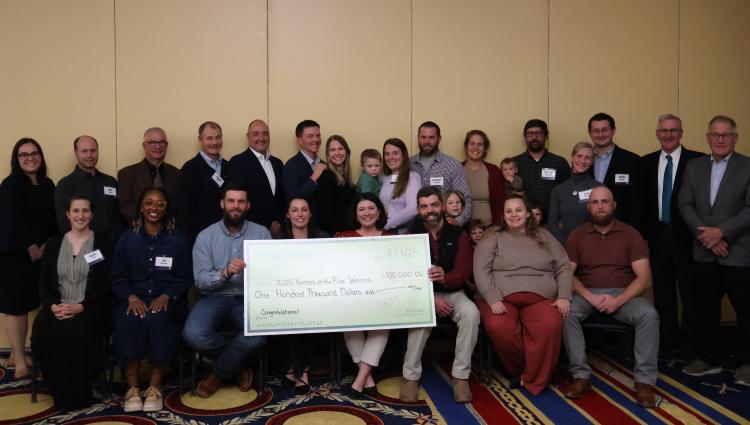
Ten Beginning Farmers Recognized Through Farmers on the Rise Program.
The 2025 awardees represent a range of agricultural operations across Farm Credit’s 100-county footprint. The following agriculturalists received this year’s honor:
- Zachary and Jane Blough of Federalsburg, Maryland
- Noah and Breann Detwiler of Telford, Pennsylvania
- Saj Dillard of Baltimore, Maryland
- Bobby and Sara Hricko of Elysburg, Pennsylvania
- Larry and Ashley Latta of Petersburg, Pennsylvania
- Wes and Jackie Nell of Lebanon, Pennsylvania
- Brittany Reardon of Dover, Pennsylvania
- Daniel and Lauren Reynolds of Mount Jackson, Virginia
- Rachel Ross of Stevensville, Maryland
- Brooke Fuller and Alan Zeiders of Newport, Pennsylvania
“The dedication these individuals display in pursuing their dreams is truly inspiring,” said Tom Truitt, Chief Executive Officer of Horizon Farm Credit. “Farmers on the Rise celebrates those who are making outstanding contributions to agriculture and to their communities, and we’re proud to support them on their journeys. With their tenacity, resilience, and accomplishments, the future of agriculture is undeniably bright.”
During the award ceremony, Pennsylvania Secretary of Agriculture Russell Redding honored the Farmers on the Rise finalists, applauding their passion, dedication, and the diversity of operations they represent. In his remarks, Secretary Redding emphasized the importance of building and sustaining a legacy for future generations of agriculturalists, underscoring that today’s innovation and commitment lay the foundation for tomorrow’s thriving farms.
The Farmers on the Rise program was established in 2021 to honor beginning farmers with three to ten years of experience from diverse agricultural communities. Recipients are selected based on their efforts in agriculture, financial character, leadership and community involvement, and environmental stewardship. To learn more about the program, visit horizonfc.com/rise.
Please enter a valid password to access this page:
Wrong password. Try again!Newsroom
Securing Loans for Agritourism Ventures: Turning Your Farm Into a Destination
Introduction
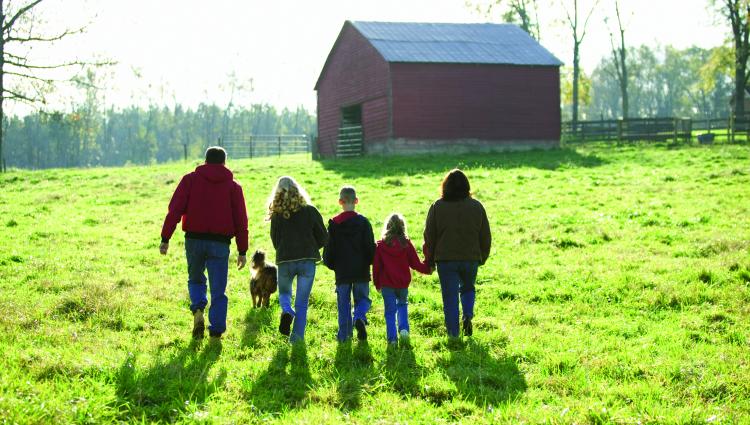
For many farmers, diversifying beyond traditional agricultural production has become a necessity for supplementing cash flow during off-season periods and providing extra income. One increasingly popular way to support farm revenue is through agritourism.
Agritourism welcomes visitors onto your land for a range of experiences — whether that’s a weekend farm stay, a pick-your-own pumpkin patch, or a wine tasting with a view. It blends farming and hospitality, helping rural communities share their stories and sustain their livelihoods.
If you’re considering agritourism, a loan tailored to these ventures can help bring your vision to life.
Understanding the Concept of Agritourism
Agritourism includes activities that bring visitors to a farm, ranch, or other agricultural property for education, entertainment, or recreation. Examples include:
- Farm stays and bed-and-breakfasts
- Petting zoos, hayrides, and corn mazes
- Vineyard tours, cider tastings, or on-farm dinners
- Workshops or classes on farming, cooking, or natural resources
- Events and weddings in scenic rural locations
- U-pick operations for pumpkins, fruits, and flowers
For small farms, agritourism can create a reliable revenue stream while strengthening community connections.
Learn more about agricultural loans
The Role of Horizon Farm Credit in Agritourism Ventures
Horizon Farm Credit works with farmers across Delaware, Maryland, Pennsylvania, Virginia, and West Virginia to help them explore new income opportunities while staying rooted in agriculture.
Whether you're building cabins, renovating a barn, or investing in marketing, Horizon provides tailored financial solutions designed for working farms.
The Benefits of Agritourism Loans from Farm Credit
- Financing built for agriculture – We understand the seasonality and unpredictability of farm income.
- Flexible terms – Including interest-only payment options during construction/startup periods.
- Local decision-making – Work with Ag Relationship Managers who live in your region.
Preparing Your Agritourism Loan Application
Before applying, gather the following:
- A business plan for your agritourism concept
- Construction or renovation estimates
- Historical farm financials and projected agritourism revenue
- Permitting or zoning approvals
- Collateral details
How to write a farm business plan
Tips for a Successful Agritourism Loan Application
- Be specific about what the loan will fund.
- Know your audience and show your market research.
- Plan for the off-season to demonstrate sustainable cash flow.
- Account for insurance and permitting early in the process.
- Detail all income streams your project will generate.
Turning Your Farm into an Agritourism Destination
Successful agritourism operations often start small and expand. Ideas include:
- Hosting events, tastings, or workshops in existing buildings
- Partnering with chefs or creators to highlight local traditions
- Creating behind-the-scenes experiences tied to your production
- Offering seasonal attractions: fall hayrides, winter markets, spring blooms, summer concerts
Frequently Asked Questions
Do I need a fully developed business to apply?
No — a solid business plan and agricultural foundation are enough.
Can I get funding for marketing or a website?
Yes. Branding, signage, digital marketing, and booking platforms can be included.
How do I know if my property qualifies?
If your farm is in a rural community, it likely qualifies. Horizon can help confirm.
How Farm Credit Supports You
- Regular check-ins and loan servicing
- Guidance on grant programs and partnerships
- Informational resources for regulations and natural resource protections
- Accounting services
Success Stories
One Maryland grower used an agritourism loan to create a cut-your-own flower garden and picnic area. A year later, she expanded to yoga classes, food trucks, and workshops with local artisans. Funding helped cover fencing, signage, and marketing.
Thinking About Adding Agritourism to Your Operation?
Whether you’re still shaping your idea or already pricing materials, Farm Credit is here to help.